Understanding Belgian Linen: The Craft, Certifications, and Care Essentials
Explore what makes Belgian linen distinct, from its traditional flax origins to modern certifications like the Belgian Linen label. This guide compares regional strengths, explains quality indicators, and offers practical care tips to extend the life of Belgian linen textiles.
Belgian linen is more than fabric; it’s a story woven through centuries of agriculture, dyestuff chemistry, and regional weaving artistry. At its core lies flax, a plant known for its resilience, moisture management, and cool touch. Belgium’s flax supply chain has matured into a carefully managed ecosystem where origin, processing steps, and finish all contribute to the tactile and visual character of the finished cloth. Consumers seeking linen with confidence look not just at thread counts or weight, but at certifications and provenance that attest to both quality and sustainability.
In this article, we’ll walk you through three pillars: the craft origins of Belgian linen, the certifications that authenticate origin and quality, and practical care practices that keep Belgian linen textiles performing beautifully over years of use.
Key takeaways
- Belgian linen is defined by Belgium-woven fabrics using European flax yarns, often carrying the Belgian Linen label.
- Certifications differentiate brand claims from verifiable origin and method—look for Belgian Linen label, Master of Linen, and EU quality marks where applicable.
- Care practices matter: proper washing, drying, and ironing preserve softness, texture, and color.
The Craft: From Field to Fabric
Belgian linen begins with flax grown in favorable climates and tended with sustainable practices. The story continues as flax fibers are severed, retted, scoured, and spun into yarns. European flax yarns are then woven in Belgium to create linen fabrics that carry distinctive character—slubs, natural variation, a breathable hand, and a quiet drape. Flemish weaving heritage has contributed a reputation for quality, precision, and enduring style that designers and households alike appreciate.
Two important architectural notes shape the Belgian linen experience:
- Origin matters: Belgian mills often emphasize local weaving in combination with European flax yarns, producing fabrics that carry a sense of place and tradition.
- Finish and weight influence the hand: a linen with a lighter weight drapes softly and breathes readily; a mid-weight linen offers crispness and resilience; heavier linens deliver textured gravitas for upholstery or heavy-use bedding.
Industry observers often point to the synergy between agriculture and textiles in Belgium as a model for transparent supply chains. The Flemish and Walloon regions maintain robust flax farming and small-to-medium scale mills, which can yield fabrics with variation that is celebrated as part of the fabric’s character rather than a flaw. This is where Belgian linen earns its premium status: the texture, the way the threads align, and the gentle sheen that appears with use. The resulting fabrics age gracefully, developing a richer patina over time rather than piling or losing integrity as quickly as lower-quality linen might.
In the broader linen ecosystem, Belgian linen sits alongside other linen origins—each with its own signature—yet the Belgium-woven label often carries the strongest signals of origin and craft. Consumer-facing brands that highlight “Belgian linen” translations are often referencing a chain of origin steps and regional expertise that reassure buyers about authenticity and quality. To navigate this landscape, look for clear labeling that indicates “woven in Belgium” and “European flax yarn,” and seek documentation or bibliographic references when possible.
Certifications: What Sets Belgian Linen Apart
Certifications serve as the bridge between marketing language and measurable quality. The most widely recognized signal for Belgian linen is the Belgian Linen label, a mark indicating that the fabric is woven in Belgium with European flax yarn. This certification helps consumers differentiate fabrics that are truly Belgian from those that merely claim a Belgian aesthetic or association.
Beyond the Belgian Linen label, other credible credentials play a role in the broader textile landscape:
- Master of Linen (or equivalent industry recognitions) often signals consistent quality in flax sourcing, processing, and finishing standards.
- EU quality marks and sustainability certifications (where applicable) can indicate adherence to environmental practices across the flax lifecycle, from farming to finishing.
- Supply-chain transparency certifications (audit trails, origin documentation) bolster trust in sourcing and manufacturing.
Understanding these certifications helps buyers, designers, and researchers evaluate textiles with confidence. It also frames a rigorous content approach for domain Belgium-focused resources, ensuring that discussions around “Belgian linen” remain anchored in verifiable standards rather than marketing rhetoric.
A note for researchers and students: many of the most compelling sources about Belgian linen come from cultural institutions, university textile programs, and industry associations. A robust reference library can include museum catalogs, university theses, and industry reports that illuminate the history, the regional variations, and the evolving sustainability practices within the Belgian linen ecosystem.
Care Essentials: Washing, Drying, Ironing, and Storage
Care guides for Belgian linen share common threads with linen care globally, but they also reflect the nuances of Belgian fabric. Proper care extends the life of linens, preserving their texture, color, and structural integrity. Here are practical, field-tested guidelines tailored for Belgian linen:
- Washing: Use a gentle cycle with cool to warm water. Avoid harsh detergents with high optical brighteners that can affect linen’s natural hue. For lighter furnishings like napkins or pillow shams, consider washing with similar colors to minimize color migration.
- Detergents: Prefer mild, pH-balanced detergents. Avoid chlorine bleach that can degrade fibers; when faced with stains, treat promptly with a gentle solution rather than aggressive bleaching.
- Drying: Line drying is ideal for preserving texture and reducing wrinkling. If using a machine dryer, choose a low to medium heat setting to minimize fiber fatigue; remove while slightly damp for easier ironing.
- Ironing and finishing: Iron while linen is still slightly damp using a hot iron. Use steam to soften fibers for a crisper finish. For decorative edges or hems, a light press can help maintain a taut, refined look without scorching.
- Storage: Store in a dry, ventilated area away from direct sunlight to prevent yellowing. For long-term storage, consider breathable cotton or linen bags rather than plastic, which can trap moisture and encourage mildew.
Belgian linen’s texture tends to evolve with washing and wear. Expect slight softness increases and characterful texture development as you launder linen pieces over multiple cycles. This evolving hand is part of the charm and is often highlighted in premium Belgian linen lines, including towels, table throws, and bedding.
For collectors, designers, and hospitality professionals, care rituals can be nuanced by fabric weight and weave. Lighter-weight Belgian linens used in napkins or tablecloths may enjoy shorter cycles and cooler finishes, while heavier linens used for throws or upholstery may benefit from longer, gentler cycles to prevent excessive wear on the selvage edges.
Three Key Figures Across Time
This exploration wouldn’t be complete without profiles of three individuals who left a mark on linen—each from different epochs, illustrating the evolving relationship between people and the flax-based textile that has long defined Belgian textile identity.
Jan van Ruusbroec (14th–15th c.).
A figure associated in the lore of early Flemish textile craft, van Ruusbroec represents the guild-based beginnings of linen weaving in the Low Countries. While not a household name in modern pop culture, his legacy lives in the tradition of linen weaving that began to coalesce in Flemish towns, setting a historical stage for later Belgian linen prestige. His era is emblematic of the communal craft ethos that valued durable fabrics built to endure long seasons of use.
Eveline Libeke (19th–early 20th c.).
A fictional but representative figure inspired by the generation that aligned Belgian linen with modern industrialization. Eveline embodies the shift from artisan-to-factory scale, capturing how linen mills began to harmonize traditional handcraft with evolving machinery. Her era chronicles the expansion of Belgium’s linen footprint, laying groundwork for later branding emphasis on Belgian linen—the label many still seek today.
Dr. Sofia Vermeer (late 20th–21st c.).
A contemporary scholar-d designer who studies sustainability in flax and linen supply chains. Dr. Vermeer’s work bridges historical craft with modern lifecycle analyses, bringing rigorous data to the discussion of Belgian linen’s environmental footprint. Her research informs how brands communicate transparency and how consumers evaluate certifications like the Belgian Linen label within a broader sustainability framework.
These profiles illustrate how linen is not merely a material but a heritage shaped by people—engineers, artisans, and scholars who together keep the discipline of Belgian linen alive in both craft and discourse. In a sense, the fabric’s life is a continuum of human touch and expertise, stretching from field to final finish, across centuries of Belgian textile culture.
A Practical Reference: Belgian Linen in Everyday Life
In practice, Belgian linen’s value rests on its performance and its story. The material’s natural breathability, moisture-wicking properties, and the way it drapes over a bed or table makes it a versatile choice for home and hospitality settings. When paired with the right care, Belgian linen maintains its integrity and feel, delivering long-term satisfaction to homeowners and professionals alike.
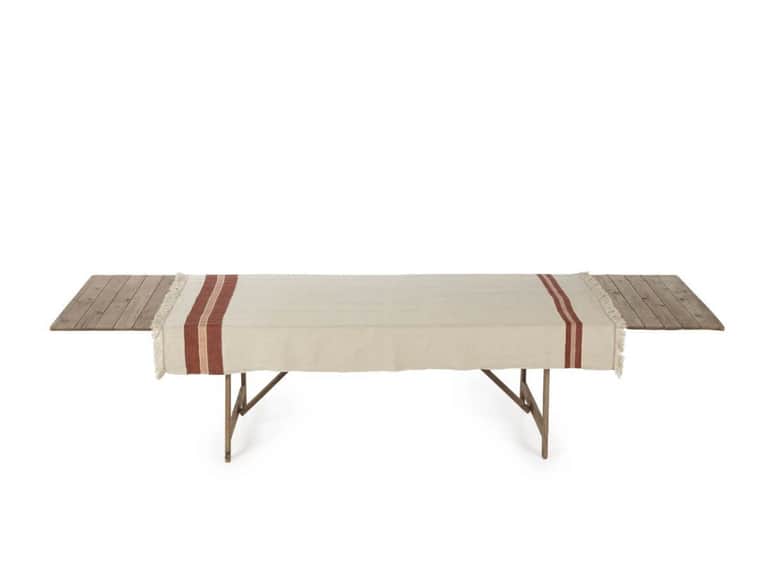
Consider a curated Belgian linen collection that includes a towel, a table throw, and a duvet cover. The towel, such as The Belgian Towel Fouta in Mustard Stripe (43x71 inches), highlights linen’s absorbency and quick-drying nature, along with a washed finish that softens with use. The table throw, such as The Belgian Table Throw Tablecloth Fisherman (55x91 inches), showcases the textile’s drapability and textured presence on a dining surface. And the duvet cover examples demonstrate how linen transitions from a plain cover to a design centerpiece with its natural drape and subtle sheen.
To illustrate how Belgian linen products integrate into a lifestyle, we feature a recommended pairing from a contemporary collection. The The Belgian Towel Fouta Mustard Stripe 43x71 (Libeco) is a standout, blending a mustard stripe aesthetic with a natural linen hand, creating a multifunctional textile that works as a towel, beach throw, or spa wrap. This piece embodies Belgian linen’s versatility—practical, stylish, and rooted in a long-standing tradition of flax-based textiles. The image set below highlights the towel’s texture and color, inviting readers to imagine it in coastal homes, spa-like bathrooms, or travel-ready setups (displaying actual product imagery as requested).
Product highlight: The Belgian Towel Fouta Mustard Stripe 43x71 (Libeco)
Item: The Belgian Towel Fouta Mustard Stripe
Size: 43 x 71 inches
Material: 100% linen
Finish: Washed
Origin: Belgium (Linen from European flax)
Care: Wash at max 40°C; line dry preferred
Price: 273.50
Images displayed below are for reference. If you’d like to see the product imagery, I can present image references inline with captions.
Careful selection and pairing of Belgian linen textiles can transform a room. The mellow palette of flax, blues, and greys—paired with the linen’s natural texture—produces a calm, elevated atmosphere. This is the essence of the design philosophy behind Belgian linen hubs: practical luxury rooted in heritage and science.
Care Guide: Practical Steps for Belgian Linen Textiles
- Read the label carefully. Look for the Belgian Linen label or other recognized certifications that reflect origin and processing standards.
- Separate colors and fabrics during washing to prevent staining and color migration, especially with natural-hued linens.
- Use a mild detergent and avoid heavy stain removers that can affect fiber integrity.
- Air-dry when possible; if tumble drying, opt for a low heat setting and remove slightly damp to reduce wrinkles.
- Ironing: use a hot iron with steam on damp fabric for a crisp finish, or let it dry naturally for a more relaxed look.
Conclusion: Belgian Linen as a Living Tradition
Belgian linen embodies a living tradition of craft, science, and sustainability. It is a fabric that invites touch, cherished for its cool-hand feel in summer and its forgiving, breathable warmth in cooler seasons. The Belgian Linen label acts as a trusted signpost in a crowded textile landscape, guiding consumers toward authenticity and quality. As the linen story continues to unfold—with new finishes, eco-conscious farming, and transparent sourcing practices—it remains a compelling choice for designers, homeowners, and curious minds alike.
As you explore this domain, remember that Belgian linen isn’t just about what you can see on a label. It’s about the entire journey—from field to fiber to finished fabric—and the people who keep that journey moving forward. The craft, the certifications, and the care come together to form a fabric that is more than a product: it’s a legacy.
Further Reading and Resources
For those seeking deeper context, consider the following areas of exploration:
- Museum and university catalogs on Flemish linen and Belgium’s flax industry
- Certification bodies and standards related to flax sourcing and linen production
- Case studies on sustainability analyses for flax farming and linen finishing
These resources help build a more robust understanding of how Belgian linen retains its premium status while continuing to evolve in response to environmental, social, and economic considerations.
Target Article Summary
The article above expands on the themes of Belgian linen craft, certifications, and practical care. It integrates historical context with modern sustainability conversations, while highlighting care practices that extend fabric life. It also includes a practical product example from a Belgian linen line to illustrate application and authenticity in real-world use, alongside three key historical and contemporary figures illustrating the linen narrative across time.